
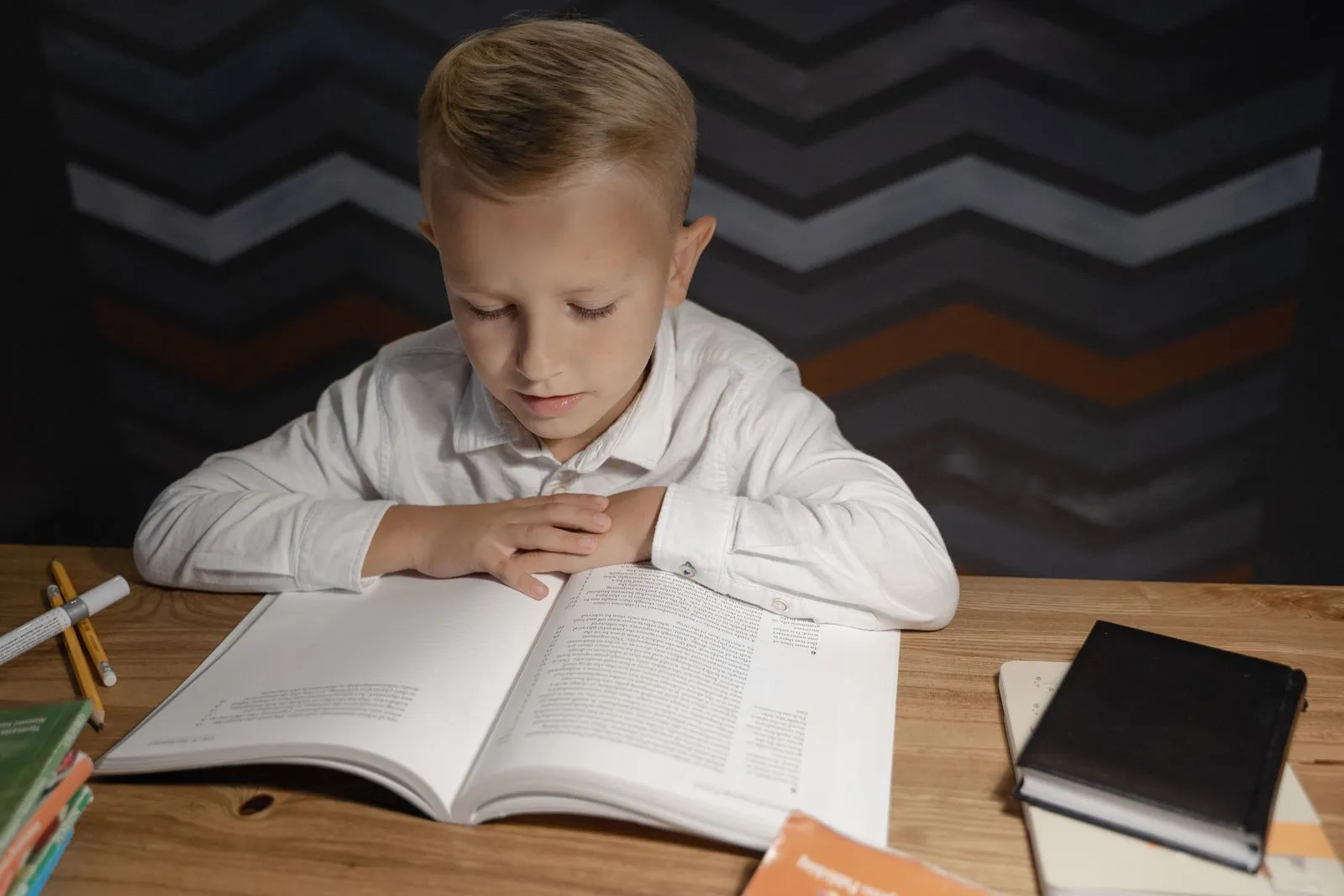
A useful reading routine does not need to take up a large part of your homeschool day. Short sessions at a predictable time can help your child practice regularly without turning reading into a struggle. Start with your family’s existing schedule, choose a realistic length, and decide what reading will look like. Then adjust based on your child’s attention and energy. The goal is a steady habit that supports learning and still leaves room for the rest of the day.
Choose a Reliable Time
Look for a natural opening in your day rather than building the routine around an idealized schedule. Reading might fit after breakfast, before a subject that requires more concentration, or during a quiet afternoon period. Pick a time when your child is usually alert and you can give the session your attention. A dependable cue, such as finishing breakfast, can help your child know what comes next.
Keep a backup plan for days when the schedule changes. If a morning lesson runs long, move reading to a quieter time later instead of treating the routine as missed. You can also decide in advance which part of the day is easiest to shift. Flexibility helps reading remain a regular part of learning without making the whole homeschool day feel rigid.
Start With Short Sessions
Begin with a session your child can complete comfortably. The right length depends on age, reading ability, and attention, so watch how your child responds rather than relying on a fixed target. A brief period of focused practice is more useful than stretching a session until frustration takes over. If your child finishes with energy to spare, you can gradually add time or another small activity.
Give the session a simple shape: settle in, read, and finish with a quick conversation or familiar closing task. For a child who is learning to decode, you might read together and let them try a few words or lines. A more confident reader might read independently and share one interesting detail. Keep the plan clear enough that both of you know when reading is done.
Mix Practice With Enjoyment
Use a mix of materials that match your child’s current skills and interests. A decodable book, a library story, an information book, or a familiar favorite can each serve a different purpose. Let your child have a say in what you read, while keeping some choices available that support the skills you are practicing. Interest makes it easier to return to reading the next day.
Not every session needs to involve the same kind of reading. You can take turns reading aloud, listen as your child reads, or read a story to them while they follow along. If a text is too difficult, read it together or choose an easier one for independent practice. The aim is to provide an appropriate challenge without making every book feel like a test.
Keep the Routine Manageable
Prepare a small reading spot and keep the books or materials you plan to use within reach. A simple setup reduces time spent searching and helps your child settle in. You might keep a short list of titles or place the next book where you will see it. Avoid adding extra worksheets or elaborate tracking unless they serve a clear purpose for your child.
Notice patterns in your child’s focus, confidence, and willingness to read. If sessions regularly end in frustration, shorten them, change the time, or revisit the text difficulty. A basic calendar mark can show that reading happened, but progress also includes trying a challenging word, retelling part of a story, or choosing to read again. Make adjustments calmly and keep the routine focused on practice.
A workable homeschool reading routine comes from a realistic time, a comfortable session length, and materials your child can engage with. Start small, observe what helps, and adjust when the schedule or your child’s needs change. If you want support shaping reading practice around your homeschool day, Brandywine Reading Tutor can help you explore options.